We remain fully operational. Our teams are working around the clock to ensure your deliveries continue safely.

下载应用程序


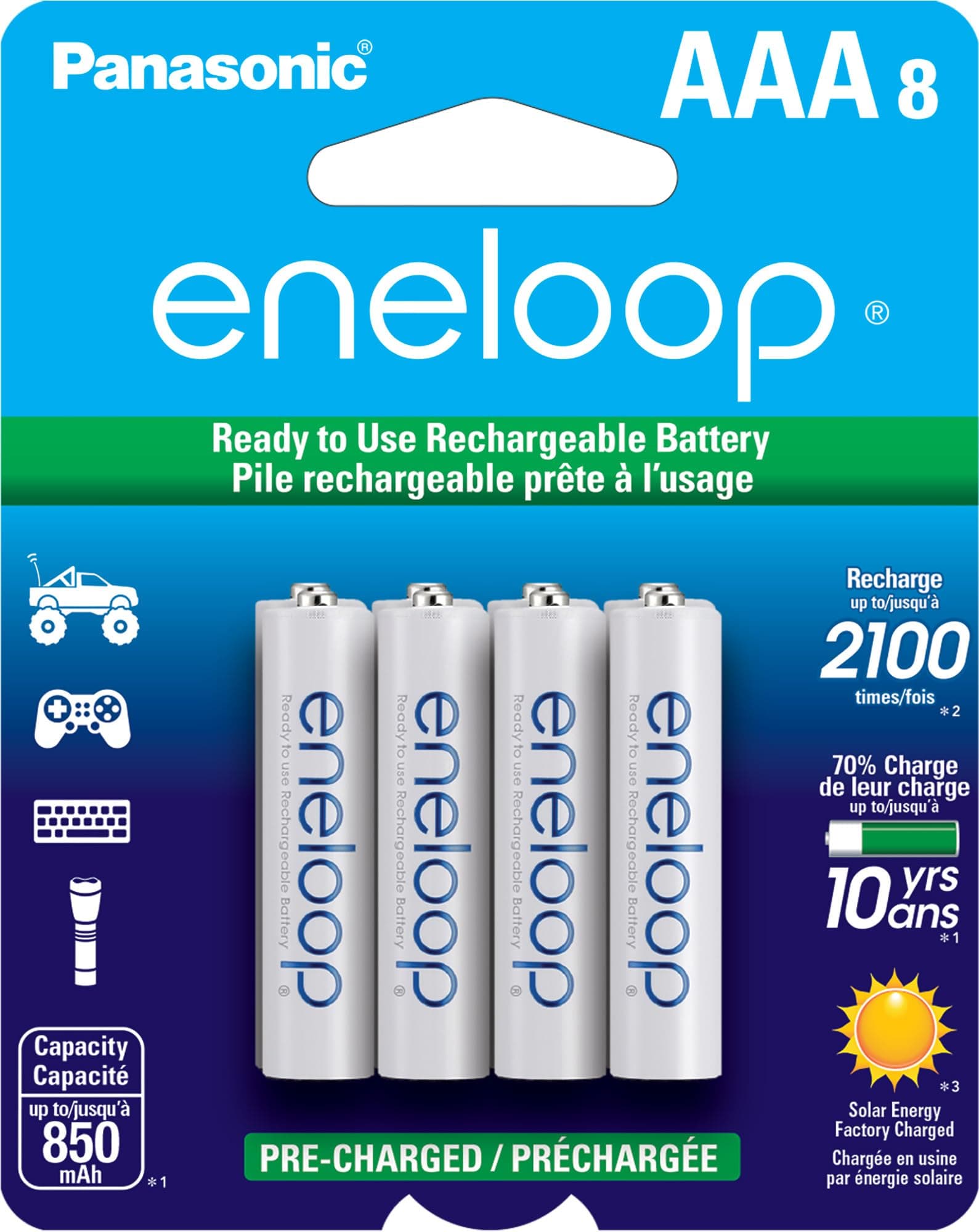
🔋 Power your hustle sustainably with eneloop AAA — the last batteries you'll ever need!
Panasonic eneloop AAA rechargeable NiMH batteries offer up to 2100 recharge cycles with a robust 800mAh capacity. Pre-charged using solar energy, they maintain 70% charge after 10 years of storage and perform reliably in extreme temperatures down to -4°F. Packaged in secure sets of 8, these Japanese-made batteries are perfect for powering a wide range of household and professional devices, combining eco-conscious design with long-term cost savings.



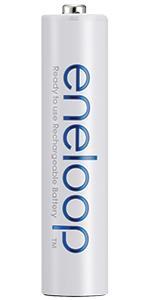
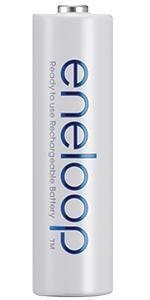
| ASIN | B00JHKSMIG |
| Amperage | 1.2 Amps |
| Antenna Location | Camera, Toys, TV Remote, Gaming Controller, Radio, Flashlight, Mouse, Remote Control Vehicle, Wireless Keyboard, Phone |
| Battery Capacity | 800 Milliamp Hours |
| Battery Cell Composition | NiMH |
| Battery Cell Type | NiMH |
| Battery Weight | 13 Grams |
| Best Sellers Rank | #6,139 in Health & Household ( See Top 100 in Health & Household ) #20 in AAA Batteries |
| Brand | Eneloop |
| Built-In Media | Panasonic BK-4MCCA8BA eneloop AAA 2100 Cycle Ni-MH Pre-Charged Rechargeable Batteries, 8-Battery Pack |
| Compatible Phone Models | flashlight |
| Customer Reviews | 4.8 out of 5 stars 24,694 Reviews |
| Global Trade Identification Number | 00073096902046 |
| Item Dimensions | 0.84 x 3.38 x 4.25 inches |
| Item Type Name | Panasonic BK-4MCCA8BA eneloop AAA 2100 Cycle Ni-MH Pre-Charged Rechargeable Batteries, 8-Battery Pack |
| Item Weight | 4.08 Grams |
| Manufacturer | Panasonic |
| Model Name | FBA_BK-4MCCA8BA |
| Model Number | BK-4MCCA8BA |
| Number of Batteries | 4 AA batteries required. |
| Recommended Uses For Product | Camera, Toys, TV Remote, Gaming Controller, Radio, Flashlight, Mouse, Remote Control Vehicle, Wireless Keyboard, Phone Recommended Uses For Product Camera, Toys, TV Remote, Gaming Controller, Radio, Flashlight, Mouse, Remote Control Vehicle, Wireless Keyboard, Phone See more |
| Reusability | Rechargeable |
| UPC | 600682784238 073096902046 |
| Unit Count | 8.0 Count |
| Voltage | 1.2 Volts |
| Warranty Description | Eneloop pre-charged aaa nimh batteries-8 pack |
S**S
Best Rechargeable Batteries - Worth Every Penny!
After years of buying disposable batteries and constantly running out at the worst possible times, I finally made the switch to these Panasonic eneloop rechargeable batteries and I genuinely wish I had done this sooner. This 12-pack of AAA batteries has been an absolute game-changer for my household, and I want to share my detailed experience with anyone considering making the switch to rechargeable batteries. The first thing that impressed me was the packaging and presentation. The batteries arrived well-protected and each one came pre-charged, which was a pleasant surprise. I could use them right out of the box without waiting for an initial charge. This might seem like a small detail, but when you're excited to start using a new product, it's really nice not to have to wait. The performance of these batteries is exceptional. I've been using them in various devices around my home - TV remotes, wireless keyboards, computer mice, gaming controllers, flashlights, and even my kids' toys. In every single application, they perform just as well as, if not better than, the premium alkaline batteries I used to buy. The voltage stays consistent throughout the discharge cycle, which means devices maintain optimal performance until the batteries need recharging. What really sets eneloop batteries apart is their ability to hold a charge for an extended period when not in use. According to the specifications, they retain 70% of their charge even after ten years of storage. I haven't tested that extreme timeframe obviously, but I can confirm that batteries I charged months ago and left sitting in a drawer still had plenty of power when I needed them. This is drastically different from some other rechargeable batteries I've tried in the past that would self-discharge within weeks. The longevity and recharge capability are where these batteries truly shine. Panasonic claims these can be recharged up to 2100 times, and while I'm nowhere near testing that limit yet, I've already recharged my set dozens of times without any noticeable degradation in performance. When you do the math, even if you only get a fraction of those recharge cycles, the cost savings compared to disposable batteries is substantial. Environmental impact was actually a major factor in my decision to switch to rechargeable batteries, and I feel good knowing I'm no longer contributing dozens of dead alkaline batteries to landfills every year. The reduction in waste is significant, and it's nice to make a choice that's both economically smart and environmentally responsible. The charging process is straightforward with any quality NiMH charger. I invested in a decent smart charger that shows individual battery status, and it pairs perfectly with these eneloop batteries. A full charge typically takes a few hours, and I've gotten into the habit of keeping a rotation so I always have fresh batteries ready to go. Overall, these Panasonic eneloop AAA batteries represent outstanding value and performance. They're perfect for anyone looking to reduce waste, save money in the long run, and ensure reliable power for their devices.
C**R
Works great (when used appropriately), capacity as advertised.
[this review is for the AAA 8 pack, although much of the information applies to other Eneloops.] The batteries arrived packaged on a card as shown in the photo on this page. I confirmed these are the latest 4th generation Eneloop batteries as advertised. The date of manufacture is imprinted on every battery, and although difficult to see, I found this set was made 5 months prior to receipt. With any low self discharge battery (LSD NiMH), one should perform an initial and periodic "conditioning" comprised of charging and discharging the cell 3-5 times in a charger that has this function (sometimes called "refresh") in order for the cells reach their maximum energy storage capacity. After conditioning the AAA batteries, all 8 exceeded 750mAh capacity (the advertised minimum), with values ranging from 762mAh to 778mAh. The very narrow range is an indicator of high quality and consistency in the manufacturing process. What follows are general recommendations to get the most from Eneloop and other LSD NiMH rechargeables.... Get a good quality charger if you use Eneloops or other LSD NiMH batteries. Cheap chargers will significantly shorten the life of these high quality and somewhat expensive rechargeable batteries. The charger must be a microprocessor controlled "smart" charger that chargers each battery individually, not in pairs. I use a Titanium "smart fast" charger when bulk charging many batteries, and a Opus BT-C2000 when trying to get accurate measurements on capacity and internal resistance. These are there several others good quality chargers out there so be sure to read reviews from people who understand and discuss the technical aspects of battery chargers. That 15 year old old battery charger you have that came packaged along with some long since thrown away rechargeable batteries should not be used. Not all devices are designed to work with rechargeable batteries. The nominal voltage of rechargable NiMH batteries, 1.2 volts, is less than the alkaline equivalent at 1.5 volts. Some devices work well with either one and some are only designed for the higher voltage alkaline. This not a problem with the battery, it is a problem with the way the device is designed. Unfortunately it's rare for a device manufacturer to mention how (or if) it works with rechargeable batteries so you will have to test it or read the experiences of others. Devices that display the amount of power left in a battery will be inaccurate when using rechargeables and tend to indicate the batteries have less power than they really do. A device may show 2 out of 4 bars, when in fact the Eneloop might really be at 85% of charge. Rechargeable batteries like Eneloops (LSD NiMH), store 20-35% less energy than a good quality alkaline of the same size. This is not a "problem" with the rechargeable battery, it is a characteristic of the chemistry and how the energy is stored. That means you can not expect them to last as long between charges as an alkaline before replacement in most applications. LSD NiMH batteries however do hold more energy and last longer than carbon zinc batteries aka "heavy duty" (these are the really cheap batteries you may see at the dollar store or come prepackaged with low end flashlights). Rechargeable batteries should not be *over* discharged as it will damage them. Unfortunately it's hard to tell exactly when the ideal time is to recharge so it's better to stay on the safe side and recharge early when device performance starts degrading and not wait until it's completely dead. The best way to tell for certain is to test with a battery tester that measures voltage under load and recharge when the battery gets to about 1.1 volts Even some cheap battery testers can do this (look for BT-168D) or for a more expensive one the ZTS mini 9R. If all you have is a voltmeter, recharge when the open circuit voltage at rest is about 1.22v. Rechargeable batteries should not be charged too quickly as the internal heat build up will damage them. For AAA NiMH, it should take 2-5 hours to charge fully depleted batteries. If your charger goes from empty to full in 30 minutes, it is either damaging or under charging the batteries. Devices that automatically charge the batteries, such as cordless phones or cheap solar lights, are not a good candidate for Eneloops. These devices use "dumb" charging circuits and will likely overcharge the batteries shortening their life. For these types of batteries you are better off with cheap NiMH batteries that are not marketed as low self discharge (LSD). Devices that use a very small amount of constant power, such as a battery powered clock, might be better off with an alkaline. An alkaline may only need to be replaced every 3 years in such applications, where as the rechargeable may need charging in less than a year due to higher self discharge rate and lower nominal voltage. You will need to test it to be sure and decide what makes the most sense. Infrequently used low power devices such as a TV remote in a spare bedroom are usually better off with alkalines. A high quality alkaline may last 5 or more years, and the cost/benefit of an LSD NiMH just isn't there. Be cautious of low quality batteries this these sorts of applications as the battery may leak after a couple of years. Eneloops (and LSD NiMH in general) are better than alkalines in high current applications. An Eneloop can move energy faster to the device than an alkaline. Examples where LSD NiMh out perform alkalines are modern photographic flashes, remote controlled cars/planes, certain high output flashlights. Marking your batteries is a good idea, especially with you have many purchased at different times that all look the same. I mark mine by putting the year/month I purchased them, followed by a unique letter. When I first get them, I test their capacity and log it for future comparison. Even if you don't have the equipment to perform extensive testing, just knowing when you purchased each battery can be helpful down the road. Properly managed, high quality LSD NiMH batteries like Eneloops will give a long life. Abused, they will not do any better than cheap NiMH batteries. Most of the complaints and bad reviews are from people who do not understand the limitations, use them in the wrong application, or who do not properly charge them. Correctly using rechargeable batteries takes some work and isn't for everyone, but if you can deal with their idiosyncrasies, they can save a lot of money in the long run.
T**S
Best rechargeable NimH batteries on the market.
Panasonic Eneloops have been the industry’s gold standard for NiMH rechargeable batteries for decades now. The quality and capacity are top-notch and very consistent across cells. I noticed some reviews have expressed disappointment with the charge level out of the packaging. This isn’t a defect, however. Companies can’t legally ship fully charged batteries for fire safety reasons. Most batteries of any type ship with a “storage charge,” which is usually somewhere slightly below or above 50%. Still usable right out of the package, but you will need to charge them if you want full capacity. NiMH batteries also have a break-in period before they will reach their full capacity. This is usually around 3-5 full charge/ discharge cycles. However, high-quality, made in Japan, LSD (low self-discharge) batteries like Eneloops will usually only need 2-3 charge/ discharge cycles. A good smart charger with a refresh and/or activation function can do this (it can take several hours) or it eventually will happen as you use them. I tested and broke in the 12AAA Eneloop batteries I ordered on an ISDT 8-bay charger using the activation function set at .4 mAh (unless you absolutely need speed, charging at a lower mAh current speed generates less heat stress on the batteries), which charged and discharged each battery straight out of the package. Each battery tested above its rated capacity after only one full charge/discharge/charge cycle. Some higher than others, but all well above the rated 800 mAh minimum. The results for each battery: 1. 1209 mAh 1.49 V 2. 1010 mAh 1.45 V 3. 991 mAh 1.45 V 4. 1018 mAh 1.46 V 5. 1037 mAh 1.45 V 6. 990 mAh 1.45 V 7. 974 mAh 1.45 V 8. 999 mAh 1.45 V 9. 1175 mAh 1.48 V 10. 1017 mAh 1.45 V 11. 1185 mAh 1.47 V 12. 1025 mAh 1.46 V Those are all consistently above the rated minimum and above the stated 850mAh rating. Eneloops cost a bit more than a lot of the Chinese-made options (some of whom wildly overstate their capacity) that don’t come anywhere near what they are advertising as full capacity. The value is still excellent compared to single-use disposable batteries. They will also last significantly longer even if they only last half of the rated 2100 charge cycles. If you don’t mind spending a little extra, Eneloops will provide years of consistent use. “Made in Japan” absolutely makes a difference. In my opinion, it’s worth the extra money. The FDK factory in Japan makes the best rechargeable batteries you can buy, and Eneloops have remained the industry gold standard for as long as they have for a reason.
A**A
Long-Lasting and Reliable Batteries
These Eneloop AA rechargeable batteries work great and hold their charge very well. They’re reliable, long-lasting, and perfect for everyday devices. The 16-pack is a great value too! 🔋
R**T
saves $$$ IF ya use them.
good stuff. I 've recharged probably 3 or 4 times so fa so they've pretty much paid for themselves. IF I get say 20 recharges, a bargain.
T**I
Panasonic quality and durability
Reliable and safe battery with no fuss charging. Have had several over the years with no issues.
C**L
Great product and price
Very happy that I purchased these batteries. A good price and they charged quickly and the charge lasts a long time. It fit well into the slots when using them. I used another brand that were hard to get into the slots or would pop out. Highly recommend.
J**R
Great batteries
These batteries are amazing. Stay charged in cooler conditions and last a long time. Would recommend for any high usage electric using batteries
TrustPilot
2 个月前
1 个月前