
下载应用程序


客户支持

Desert Online General Trading LLC
Warehouse # 7, 4th Street, Umm Ramool, Dubai, 30183, Dubai
下载应用程序
客户支持
Desert Online General Trading LLC
Warehouse # 7, 4th Street, Umm Ramool, Dubai, 30183, Dubai
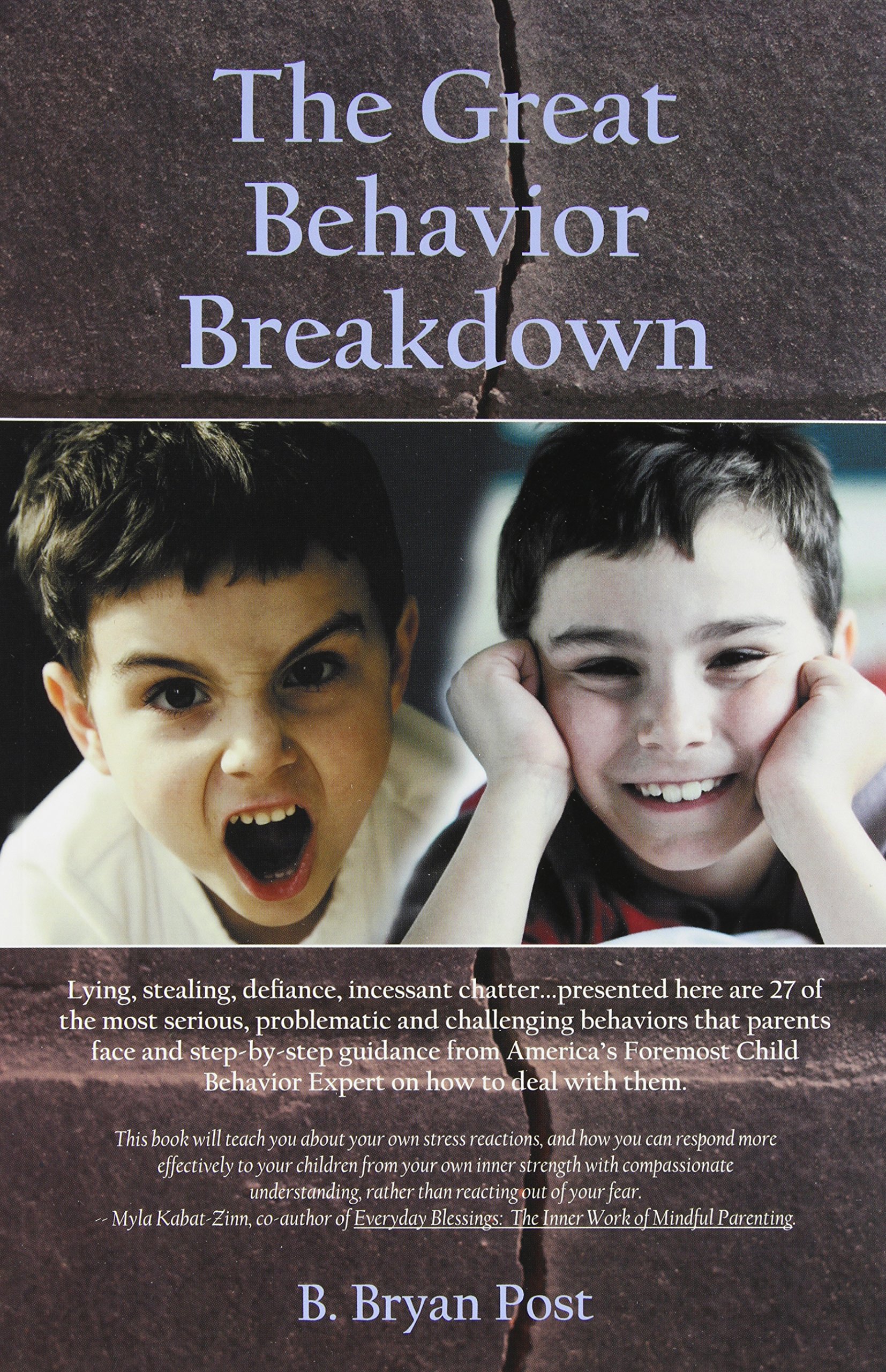
Full description not available
W**R
Will help anyone understand his own childhood better
I've read many books and taken many courses on psychology, therapy, self-help, emotions etc. This is by far the best. After putting things into practice such as NLP, hypnotherapy, the Language of Emotions by Karla McClaren, Clean Language, the Love Languages, Mind-Lines, CBT, years of meditation etc, each one seemed to be able to fix some issues, but none of the major issues I've had. This book explains that some behaviors come from an unconscious part of the brain, the amygdala, which explains why almost nothing works to change those behaviors. Imagine trying to use other therapy modalities to stop yourself from jumping when you are startled. It's impossible. This book explains how to have compassion for other people, rather than blaming, punishing, or attacking other people, because you will see their behavior is something they literally cannot control, just a reaction like being startled.I wish this book had a more detailed explanation of how to help oneself overcome such behaviors, but the author basically just says "Breathe, calm yourself down, and help your child (or whomever) get through whatever is stressing them out and making them act that way." As far as I can tell, there are plenty of studies of neurophysiology to support this book. The approach for helping oneself through the stressed states described in the book would include slow breathing, which calms the brain, and naming the intense, unconscious emotions, which brings them into consciousness and also engages the right ventrolateral prefrontal cortex, which calms the amygdala.Long story short, this is the book for anyone who wants to change behavior that has been unchangeable in other therapies. For real!I am reading his other book, "Beyond Consequences, Logic, and Control" which has basically the same information, because I believe it is worthwhile to get the information to sink in. I would recommend Behavior Breakdown for laypersons, and Beyond Consequences for professionals. Beyond Consequences cites its sources, which Behavior Breakdown does not do for some reason. And Beyond Consequences has fictional case studies interpreted from two different psychology paradigms to highlight their differences, whereas Behavior Breakdown includes true case studies that highlight the importance of sorting out one's own emotions first when dealing with one's own children.
K**T
Pretty amazing book
Pretty amazing book. Had a major breakthrough with my broken family around in only a few days where other books/methods barely touched the surface of wounds and hurts that got us to the dark place that we were. You'll get to the root of the problem rather than managing the symptoms. You will understand yourself and others better than you ever thought possible and completely change the way you think. The science behind unexplainable/bizarre behaviors is distilled to easily understood nuggets of digestible information. If you have issues with this book and what it teaches, it is only because you are approaching it from a place of deep rooted fear and a set way of looking at things. Dive in with an open mind. I believe now that love is truly the only way to bring people out of darkness and this books surely shines with it. In only a few days time, I have turned around 37 years of trauma induced fear and emotional craziness to being able to look forward to the future with excitement for the first time, my kids are so much calmer and happier, and my husband commented on how much change in me and the kids he has seen. Even my sister is amazed at the clarity she has now after just 1 1/2 days of talking with her about the science behind her behaviors and step by step methods in the book. I wouldn't hesitate to say that this book could seriously change our society and world if we all sat down to read and implement what we learn. Definitely not just for families with foster children!
C**E
You're going to learn about yourself.
We bought the Kindle version, and then the paperback. I read it in 2 days and am reading it again.If you're struggling with your relationship with your kid and your kid is struggling with their emotions and behaviors (if your kid is acting out, the answer is yes, they are), this is an amazing book. That said, this book is a real challenge for parents (like me) who struggle with their own attachment issues from childhood. In order to reach your child, you have to take an honest look at how you, yourself were parented and why you have the parenting philosophy that you do. It's NOT easy, but it's worth it, 100%.Also, there are some suggestions in the book that are odd. That's okay. You'll begin to see a pattern of how to manage situations...and it all boils down to regulating yourself so you can create a positive feedback loop to help your child regulate their emotions.Thank you, so much, Dr. Post, for your book.
L**S
Wish he had some research.
I am a child and family therapist and I see foster kids and adopted kids. I like a great deal of what Mr. Post has to say and I have incorporated many of his ideas. But, as a responsible clinician I have to rely on researched information and he has little. I wish he would get some together so I could more widely use his theories and techniques. You should read it decide for yourself. I am also a Mother and use the techniques on my own child...so I think that says a lot.
TrustPilot
1 个月前
1天前