We remain fully operational. Our teams are working around the clock to ensure your deliveries continue safely.

下载应用程序







💼 Elevate your data game — secure, sync, and share like a pro!
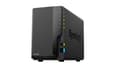
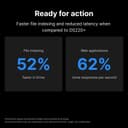
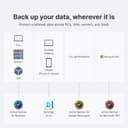
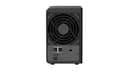
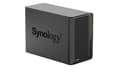
The Synology 2-Bay DiskStation DS224+ is a compact, diskless NAS designed for small businesses and professionals seeking centralized, secure data storage. Featuring RAID support, Synology’s intuitive DSM OS, and powerful backup tools, it enables seamless multi-device syncing, private cloud creation, and robust data protection. With easy setup, versatile mounting, and extensive app support, it’s the smart choice for future-proofing your data infrastructure.


| ASIN | B0C6927XPX |
| Best Sellers Rank | #15 in Network Attached Storage (NAS) Enclosures |
| Brand | Synology |
| Color | Black |
| Compatible Devices | Desktop, Laptop, Smart Phone |
| Customer Reviews | 4.7 4.7 out of 5 stars (4,753) |
| Enclosure Material | Metal |
| Is Assembly Required | No |
| Item Dimensions D x W x H | 9.02"D x 9.13"W x 6.5"H |
| Item Type Name | Synology NAS |
| Item Weight | 1.3 Kilograms |
| Manufacturer | Synology |
| Mfr Part Number | DS224+ |
| Model Number | DS224+ |
| Mounting Type | Desktop, Wall mount |
| Size | DS224+ |
| UPC | 846504005253 |
| Warranty Description | 2 years warranty |
O**T
Excellent NAS drive, good performance, large app library
I needed to replace my aging WD NAS, which was struggling to keep up with my needs. After quite a bit of research and product comparisons, I decided to go with the market leader, and bought a NAS that seemed likely to be able to support my needs for several years, and offered some options for expanding the ways I use a NAS. For context, I mainly use my NAS as "network-attached storage": I back up files, and I share files for use on our multiple home computers. I don't use it for remote access (security concern: I'd rather use cloud storage services for that), and I don't use it as a repository for a media server, or anything else like that. I decided to use WD "Red" drives for this unit: based on specs and user and professional reviews, they seemed most likely to run reliably for as long as I needed. My previous experience with WD black, blue, and red drives has been consistently positive, whereas other vendors have let me down. Installation and setup was very easy: I had the unit up and running within a few minutes. Copying files over from my old NAS took some time, but the performance of this Synology unit exceeded my expectations. I was also pleased with how much faster my backup jobs were. I was especially pleased when apps that use network files began running much faster: so clearly both read and write performance were much improved in comparion with the old system. I also set up a USB backup. It took a little bit of reading in the Synology KB to learn how to do it right, but after that it was a breeze. I plugged in a USB hard drive in the back port (the front port can be configured for use with the USB Copy button), opened up the Hyper Backup app, and ran the initial backup to copy the entire NAS contents to the USB drive. Then I scheduled it to run incremental jobs every day, so now my paranoid backup demon is happy. (I save backup drives in a secure location to provide "disaster recovery"; overkill perhaps, but it buys peace of mind.) One criticism: the unit came with only 2GB memory, which seems cheesy. And what makes is super-cheesy is the way they price their branded "compatible memory" at ridiculous multiples of the market price. I was able to buy a 4GB Samsung memory card for under $15, and it worked just fine. You can do a web search and see that others have upgraded using larger memory cards. The Synology KB website is very good: it's well written and comprehensive. There's also an active user community, so there is a ton of information easily available. Overall I'm very happy with my Synology purchase, and would buy their NAS products again without hesitation.
M**N
Plan carefully before you purchase
So far I do like it. Overall the product is what I expected and meets our household needs. It's fairly easy to set up and deploy, so I have no negative comments there. I do wish the directions and assorted videos were a bit more easier to follow and Synology realised not all users have the background or terminology to understand everything. If you're looking to buy a NAS (and I would 100% suggest this model for basic household use because of price, etc.), I hope my following suggestions help: 1. Organize, organize, organize! My biggest headache was that my digital data and digital artifacts (files, pictures, videos, etc.) were spread across a combination of drives and flashdrives i.e. external hard drives, disks, flashdrives, etc. accumulated over a good 20 year period. I started copying files and ran into issues like where my cords were (apparently I forgot over the years different devices had different power sources, cords, etc.) 2. Patience young grasshopper! Many of my files over the years started with weird characters, periods, dashes, in some cases the entire first sentence of a document. File extensions that looked like might have come from an old word processor I once had in the 90s. Definitely some file extensions that were from various Nintendo handheld devices, PDAs, etc. So there seemed to be a bunch of pop-up warnings when transferring. Overall, I think the NAS captured all the important stuff, but like I said, I had 3 different WD and ioSafe 2TB external devices, and I didn't bother to check if everything went over. 3. Where do I put things? I was a bit confused about the whole Shared Folder vs. Folders that seemed to already populate (photos, music) Synology Photos, Music apps, etc. I still really haven't figured that part out so I just created a folder, then basically dumped all my device files into it. Like I said, this is for the house, nothing I need to worry about other household members accessing, so i went the easiest way. Share and share alike, I guess. 4. The wireless/hardwired ethernet stuff was easy to set-up. Synology pretty much does everything for you. But it is so SLOW! My mistake was that I believed because I was using an ethernet cable from my laptop to my Netgear router and a cable from Synology to Netgear router this would be the fastest way. It wasn't until I remembered that you can create a network on your laptop and that seriously sped things up. It was a bit more complicated to set up though. Now I have a "drive" all I do is connect to and it acts like any other external hard drive I've used in the past. 5. Hardware: Definitely decide what you want. I went with 2 4tb drives. I wish now I saved up and went with 2 6 or 8tb drives. 4tb filled up super fast! I went with the Iron Wolf and Synology 4TB HDD models. THey work great. 6. Upgrade that RAM before you start. I upgraded to TimeTec 4gb because of price and reviews. It did make a difference. I think it's more than enough for what I need. 7. Watch a bunch of YouTube videos! Some are really good, some are too advanced, so just look for some that meet your needs. 8. I highly recommend this product or at least a NAS type set up. it's easy to use. So far we love it. Organizing videos and photos has been really fun for us in the evenings. Watching the children from birth to now age 20+ makes for nice memories in the kitchen, plus there's no good shows on TV to stream anyway. Hope this helps.
B**O
One of the best 2 Bay NAS station for Home Users. Especially for MAC users who had a limited storage space, this NAS supports BTRFS file format which makes easy to use and configure for multiple platforms(MacOS, Windows, Linux). My only issue with this is that the RAM can only be maxed out at 6GB; 2GB installed 4GB expandable ( you can increase the size by installing a higher memory but do it at your own risk as there is a tendency that it will not boot your NAS if you do so). Aside from that everything is perfect.
ア**郎
DS720+(現DS224+)からの大きな進化は、実はCPUではなくストレージキャッシュの部分です。 旧製品はPCIe2.0 6レーンしかなく、PCIe3.0のNVMe SSDの真価が発揮できない状態でした。 しかし、当製品はPCIe3.0 8レーンであり、2xPCIe3.0x4がフルスピードでるのが最大のポイントです。 特に、10GbE×ストレージキャッシュを搭載した場合のランダムアクセスですが、60~70MB/sが「平均で」出ます。 繰り返します。平均で出ます。 これ、凄い事なんですよ。 ハッキリ言って、シーケンシャルなんてどうでも良いのです。そんなもんほっとけば宜しい。 問題はランダムなんです。特に、画像・写真データが多くいつもランダム限定バトルロワイヤルしていた同志諸君。 この速度の有難みが分かるかと(笑) 10GbEの広い帯域幅とSSDストレージキャッシュのランダムに強い受け皿を持って初めて全てのボトルネックが解消するのです。 しかも、これらのデータのサムネイルキャッシュ作成はまた莫大な時間がかかります。 しかし、PCIe3.0x4フルスピードのストレージキャッシュはこの問題を解決するのです。 ■30万を超える画像ファイルのサムネイルキャッシュ作成 ストレージキャッシュ無し:1ヵ月(絶望)→DS720+(PCIe2.0x2):1週間(喜)→DS723+(PCIe3.0x4):1日(驚愕) これ、本当です。本当なんです。。。 本当にやべぇんだよ、HDDのランダムアクセスって。 ファイルサーバーメインの場合、CPUの動作速度なんてどうでも宜しい。 殆どが、NWとストレージ速度です。NASの性能の多少の前後なんて殆ど影響しません。 何故ならそこがボトルネックだからです。 基本的にその程度の用途であれば、下位機種を買ってください。無駄金です。 というのも、DS723+はCPUの性能が上がった分待機電力も上がりました。 よって、中途半端な用途だと電力コスパ的にマイナスすらあり得ます。 24365稼働の電力コスパを舐めちゃいけません。しっかりと月額に反映されます(笑) ある程度のサーバーを兼務する形でないと元が取れない事請け合いです。 勿論、DS723+は全機種DS720+と比べてCPUが「高性能コア型」になったという大きな違いがあります。 DS720+はモバイル用の省電力高効率型であったので、例えばハイビットレートファイルの取り扱いについては有利です。 ただし、DS720+のCPUであるCeleron J4125にはintel quick sync videoというGPU支援機能があり、DS723+のCPUであるRyzen Embedded R1600にGPU機能はありません。 よって、「CPUでゴリ押しするかGPU支援機能でフォローするか」という違いだけであり、正直電力コスパ的には後者の方が優れています。 DS720+(現DS224+)とDS723+を持っている僕が言うのだから本当です。 しかし、これもストレージキャッシュでゴリ押しできるかで話が変わってくるのです。 ストレージキャッシュ有なら断然DS723+に軍配が上がります。 PCIe2.0x2とPCIe3.0x4では勝負にすらならないからです。 要するにですね、このDS723+は10GbE×ストレージキャッシュを搭載して初めて真価を発揮するマシンです。 言い方を変えましょう。 「10GbEとストレージキャッシュの性能をフルで発揮できるようにしたマシン」 というのがDS723+と理解してもらえれば間違いないと思います。 逆に言えば、それらを搭載しない前程ならマジで下位機種をお勧めします。 そうでもないと、ほぼ変わらないどころか電力効率の面で「悪い」まであります。 低負荷運用は省電力高効率コアの方が断然有利です。 1.5倍近く上昇した「待機電力」がそれを物語っています。 以下の様な方にお勧めです。 ・毎日ランダム限定バトルロワイヤルをしている同志諸君 ・NAS側にある程度の高負荷処理を任せたい人 ・Dokcer愛用者でローカルにAPIサーバーを立てたい開発者 ・CDPがあるのに何故かローカルに重重DBを構築したい猛者 ・意味も無くシーケンシャル番長になりたいベンチマーカ― →ただし家庭用Windows環境下ではその性能を十分に発揮できないとだけ断っておきますが 繰り返しますが、10GbEとストレージキャッシュ大前提なら本当にお勧めです。 ※注意点 ●最大メモリは32GB(ECC)です 現在のコンピューターというのは、CPUにメモリコントローラーがビルドインされています。 即ち、メモリ上限を決めるのはMBでもOSでもありません。CPUです。 また、OSに表記されるメモリ量は「識別表示」であり、「使用可能な量」ではありません。 メモリには、メモリアドレス範囲というものがあり、これがメモリ利用可能な上限となります。 要するに、アドレスが割り振られない領域のデータは(CPUが)利用できません。 メモリのスペック表に掲載されているメモリ上限はこの「アドレス範囲の上限」を示しています。 簡単に言うと無意味です。認識と使えるかは別問題って事です。 付け加えると、アドレス範囲上限を超えて増設すると致命的な不具合が出ます。 メモリが論理的に故障します。これ本当です。 メモリアドレスにはアプリが利用できる所謂ユーザー範囲というものがあります。 ところが、上限を超えて増設すると、稀にアドレス範囲外に書き込んでしまう現象が発生します。 このデータですが、何と消せません。住所不定なのでCPUですらたどり着けないからです。 勿論RAMなので通電が無くなればデータは消えます。 ところが、こういったNASやサーバーは24365稼働なのでリセットが行われず、ゴミデータが溜まり続けます。 そして、最終的には実際のアドレス範囲を侵食し始めます。 この場合ですが、「良くてフリーズ」「最悪メモリが論理的に故障」となります。 この論理的に故障したメモリですが、なんと二度と使えません。 イメージ的には、ファームウェアみたいなものが吹っ飛ぶと思ってください。 メモリはユーザー側から制御できない為、二度と復旧できないという意味合いです。 一言で纏めると「百害あって一利なし」って事です(笑) 当然ですが、これでぶっ壊しても保証は効きません。 上限を超えての増設は絶対に止めましょう。 ●インクルードメモリはECCメモリです ECCメモリと通常のメモリは混合できません。 動作の仕方が違うからです。 混合すると、メモリタイミングがずれてしまい、早くなるどころか遅くなります。 フリーズやアプリケーションエラーも増加します。 間違っても混合させないようにしてください。 ※それ以前にsynology純正のECCメモリ以外動作保証ありませんけどね ●拡張10GbE LANでWoLは利用できません WoLは、UEFI(BIOS)のパワーマネジメントに深くかかわる機能であり、LANドライバとパワーマネジメントが繋がっていないと機能しません。 よくよく考えると当たり前のことです。 拡張10GbEのドライバは、UEFIに読み込まれていませんので、WoLは機能しません。 それをやるにはUEFIのファームウェアを改ざんする必要があり、まぁ普通のメーカーはやらないでしょうね(笑) ●拡張10GbE LANでOS起動前のNW検索やメモリテストもできません 上記に関連する話ですが、UEFI時点でドライバが読み込まれていない為、それらに関する動作が出来ません。 具体的には、メモリテストは不可能です。 というより、NWに繋がっていない為、メモリテスト状況を見る事自体ができないという意味です。 OSセットアップやメモリテストをしたい場合は、標準搭載LANにケーブルを繋ぎ変えてください。
L**Z
Uff!! De las mejores nas que hay, excelente producto fácil y rápida de configurar e implementar compatible con ssd y hdd de gran capacidad. El sistema operativo es de los mejores que hay en el mercado. Gran calidad de construcción es un producto premium
S**.
I bought this NAS for one of my projects on Synology but I m using it on daily basis. It's worth the price
J**O
Éste NAS tiene buena relación calidad-precio, siendo excelente tanto como unidad de almacenamiento externo, como servidor para acceso y streaming remoto. Adquirí este producto el pasado miércoles 01 de Julio de 2020, comparto que me llegó rápido y bien empacado el día 10 del mismo mes y, puedo decir que: para un usuario que va a respaldar información de sus computadoras y dispositivos móviles, almacenar fotos, música, video y COMPARTIRLO tanto en una RED LOCAL (casa, pequeño negocio) como acceder a él desde una red remota sobre todo para trabajar con la información almacenada y usar archivos de medios usando Internet, resulta excelente sobre todo para usuarios hogareños, pequeños y hasta medianos negocios para atender hasta 320 usuarios. A FAVOR: + Fácil es la instalación física y una configuración básica sólo si se va a usar y compartir en una LAN; ya una configuración más avanzada sí requiere conocimientos de redes y sobre todo de seguridad informática, si se piensa usar como servidor conectado siempre a Internet. + Si se conecta a red local (LAN) de 1 gigabit, con cable UTP nivel 7 y con un switch de gama alta, puede alcanzarse buena velocidad de transferencia, en mi caso pude pasar 750 Gigabytes en casi una hora (55 minutos). + Como servidor de archivos tiene buena seguridad al gestionar a los usuarios, sus contraseñas, permisos de acceso local o remoto tanto de forma individual como en grupo, así como designar (si se desea) una cierta cantidad máxima de espacio. También permite asignar varios niveles de permisos por aplicación, grupo de directorios, carpetas individuales y hasta por archivo. + El costo de esta unidad NAS, SÍ desquita por las características de hardware y las aplicaciones que se le pueden instalar. El fabricante Synology proporciona varias aplicaciones muy buenas, para sacar el mayor provecho posible. Entre las más importantes: - Hyper Backup permite tener sincronizado el cotenido de las computadoras conectadas en la red local (LAN) con este dispositivo de almacenamiento; - DS-Audio para escuchar tu colección de música tanto local como remotamente; - Moments, para guardar y compartir todas tus fotos escaneadas, digitales, respalda bien las fotos y videos de smartphones y tabletas; en mi caso en una Smart-TV pude ver fotos en varios formatos; - VideoStation para hacer "streaming" de videos caseros tomados con "HandyCam" en formato MTS, MP4 o tu colección de películas (soporta MKV), igual de forma local (puedes conectar varias "Smar-TV" a tu LAN y ver las películas almacenadas), así como desde internet usando la aplicación DS-Video; - Servidor DHCP para gestión de red LAN; - Servidor DNS para dominios; - Servidor Web HTML "Apache" o "NGINX" - También se puede instalar servidor de PHP desde la versión 7.1 a la 8.0.17), con la posibilidad de hospedar varios sitios web simultáneamente (se pueden instalar gestores de contenido como "Joomla" o "Wordpress"), así como blogs; - Servidor de bases de datos "MariaDB-10" (totalmente compatible con MySQL); - Gestor de bases de datos "phpMyAdmin"; - Surveillance Station para conectar y gestionar videocámaras de tipo IP, grabar y reproducir visualizando directamente lo registrado por ellas a través del explorador Web, VisualStation o dispositivo móvil para supervisión remota; - SMB Service para uso compartido de archivos y carpetas en una red LAN, así los usuarios de Windows, macOS y Linux, pueden acceder a ellos estando almacenados en este NAS; - Servidor VPN para conexión remota desde varios dispositivos (yo lo uso con OpenVPN); - Servidor FTP para subir y descargar archivos; - Servidor WebDAV también para conexión, gestión remota y trabajar con los archivos almacenados en éste NAS ... y otras aplicaciones de terceros: multimedia (Plex), descarga de archivos (Mega), de productividad, para trabajo de oficina y en grupo; también se puede tener tu propio servidor de correo electrónico. EN CONTRA: + Lo único en contra o "malo" y, creo NO es un problema exclusivo de este modelo NAS de Synology, es cuando haces "respaldo de los respaldos", es decir, cuando se hace una copia de seguridad de TODO lo almacenado en un NAS de Synology usado para realizar a su vez respaldos de la información contenida en Laptops, PC's, MAC's, smartphones, tabletas, etc., al usar la aplicación HyperBackup que considero es lenta para realizar respaldos de volúmenes (arreglos de discos) completos. Para alguien obsesivo que desee tener "respaldo de los respaldos" al resguardar TODOS los datos almacenados en un NAS de ésta marca, es necesario que tenga mucha paciencia, sobre todo si tiene más de 8 terabytes en información. CONCLUSIÓN: Fuera de lo lento al respaldar completamente volúmenes en arreglos RAID, TODO lo demás me parece excelente. Conectado tanto en red local como en acceso remoto fuera de donde lo conecté, funciona de maravilla (yo recomiendo una conexión a Internet simétrica); me ha resultado excelente para almacenar toda mi información valiosa (espero no falle pronto). Cuando termine su periodo de vida útil, voy a comprar otro dispositivo similar de Synology. ¡Gracias por su atención!