We remain fully operational. Our teams are working around the clock to ensure your deliveries continue safely.

下载应用程序


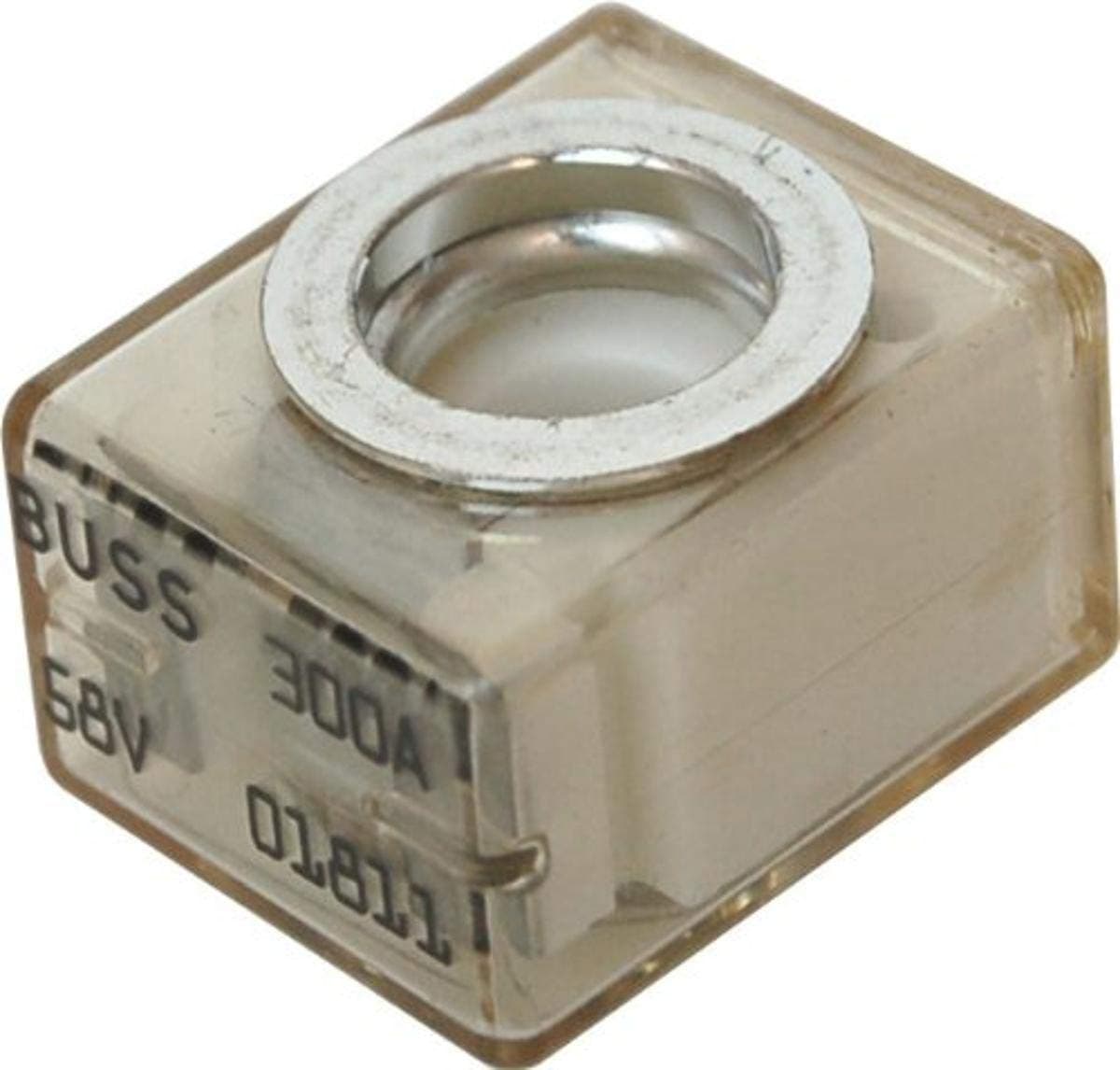

🛡️ Power your peace of mind with Blue Sea’s ultimate terminal fuse!
Blue Sea Systems Terminal Fuses deliver robust 300 Amp current protection with Class T fuse technology, crafted from fire-resistant stainless steel and nylon. Designed for critical battery safety, these fuses prevent arcs and thermal runaway, ensuring your high-voltage setups stay secure. Trusted by professionals, their through-hole mounting offers easy installation and reliable performance, making them an essential upgrade for anyone serious about battery safety.


| ASIN | B001AFZL9O |
| Best Sellers Rank | #44,470 in Tools & Home Improvement ( See Top 100 in Tools & Home Improvement ) #86 in Fuses & Holders |
| Brand Name | Blue Sea Systems |
| Color | SILVER |
| Customer Reviews | 4.8 4.8 out of 5 stars (1,065) |
| Included Components | BATTERY TERMINAL FUSE 300-AMP |
| Item Dimensions | 25 x 68 x 113 millimeters |
| Item Type Name | BATTERY TERMINAL FUSE 300-AMP |
| Item Weight | 0.05 Pounds |
| Manufacturer | Blue Sea Systems |
| Material Type | Stainless steel and nylon" or "Fire-resistant material |
| Maximum Current | 300 Amps |
| Model | 5190 |
| Mounting Type | Through-Hole Mount |
| Specification Met | Sea |
| UPC | 014891439740 717814042934 304077862883 687529277016 784427528872 632085051907 012301747096 |
| Unit Count | 1 Count |
| Voltage | 58 Volts (DC) |
@**L
Blue Sea makes great stuff! Definitely buy these fuses over the Chinese knock-offs (I got a bad cheapy fuse).
F**D
This is a great product. Many complain about the price. But it’s a critical safety measure for life and property safety so is $80 for a fuse and holder worth getting versus some cheap Chinese thing that if the absolute worst happens (internal battery failure/ thermal runaway conditions) you want to bet your life and/or home on? Yes we have other safety devices, BMSs etc…but if you don’t plan for the worst (highly unlikely) scenario then you’re a gambler. IMHO Remember the AIC rating is super important in fuses. That’s what going to prevent an arc from forming and allowing massive current to flow not to mention it can act as an ignition source for the hydrogen gas LifePo4 batteries vent. No arc less chance of fire. With these terminal fuses keep in mind the AIC drops as your pack voltage goes up from 12v to 24/48v. I build both. The picture is of a 16s 48v LFP pack. The terminal fuse is 3rd or 4th in line of safety measures right from the start. It doesn’t have the AIC @48v to handle a serious failure, hence it’s just a part of the safety system. #1 a must - class T fuse with an AIC rating of at least 20k connected directly to the battery main positive. If you can find a 50K AIC even better. #2 BMS - great when they work but even the highest quality ones can fail you. Not something to depend on solely. #3 DC breaker - this is a cheap junk Chinese breaker that I have zero trust in. For me it’s merely a cutoff switch to the terminals. It came as part of the metal enclosure kit. I can’t find a quality breaker that fits in there unfortunately. #4 These terminal fuses. Fan to vent gas from the case with a VOC sensor I built to alert me if hydrogen gas is being vented. Also added temperature sensors on various parts of the metal case to alert me (also connected to a microcontroller I built). I changed the default settings on the BMS for short circuit amps to a much much lower numbers same with temperature settings. Since my packs pull very minuscule amount of power I’ll never come close to the 100a the bms/pack is rated for. From there it’s again a series of disconnect switches, class T fuses to the inverter. For my “worst case scenario nothing stopped an internal failure” I have CellBlockEX pellets to pour on top of the box. I also have a Lifepo4 designed fire extinguisher (yes they are different due to the LFP chemistry and the ability of LFP batteries to self ignite since they produce all the elements needed for fire on their own. I also have canisters of Stat-X First Responder Aerosol Fire Suppression to toss at a fire and run away. Is this all overkill many would say yes. I would ask that same question to them if they skimped out on parts and lost property or god forbid life. I bet I would get a different answer then. Be safe folks. While super rare, you better have measures in place to deal with the super rare possibilities. Or like I said maybe you’re a gambler. Up to you what you need to feel safe and sleep at night. Class T fuses need to be in place sometimes a lot depends on your setup. Blue sea systems gets an A+ from me. I know you are paying more for the name but I’m ok with it. YMMV! Happy DIYing! Free energy from the sun!!
B**L
Worked great. Blew the fuse while I was installing it!
S**R
I like the peace of mind knowing that my battery banks are fused right at the battery. Agree, these fuses and their holders are not inexpensive. However, neither is your RV, boat, or other application for which you are likely to consider these. They also potentially eliminate the need to fabricate or purchase a short cable, terminal block, different kind of fish and fish block, and/or a circuit breaker. Top notch, and recommended.
F**A
This brand should be reliable, and I like the fact the fuse is enclosed, but it consists of 2 additional unnecessary contact points - top and bottom rings. You can see the comparison to the regular/naked cube. It is one piece design which I do prefere. We do not need any more resistance, and potential failure points in our circuit. At first I thought I have received counterfeit part as it is not color coded, but it seams not all fuses from BUSS range are.
TrustPilot
1天前
1 个月前